
Projects
Targeted Action for Highly Threatened Species in the South Coast Region
About the Project
About
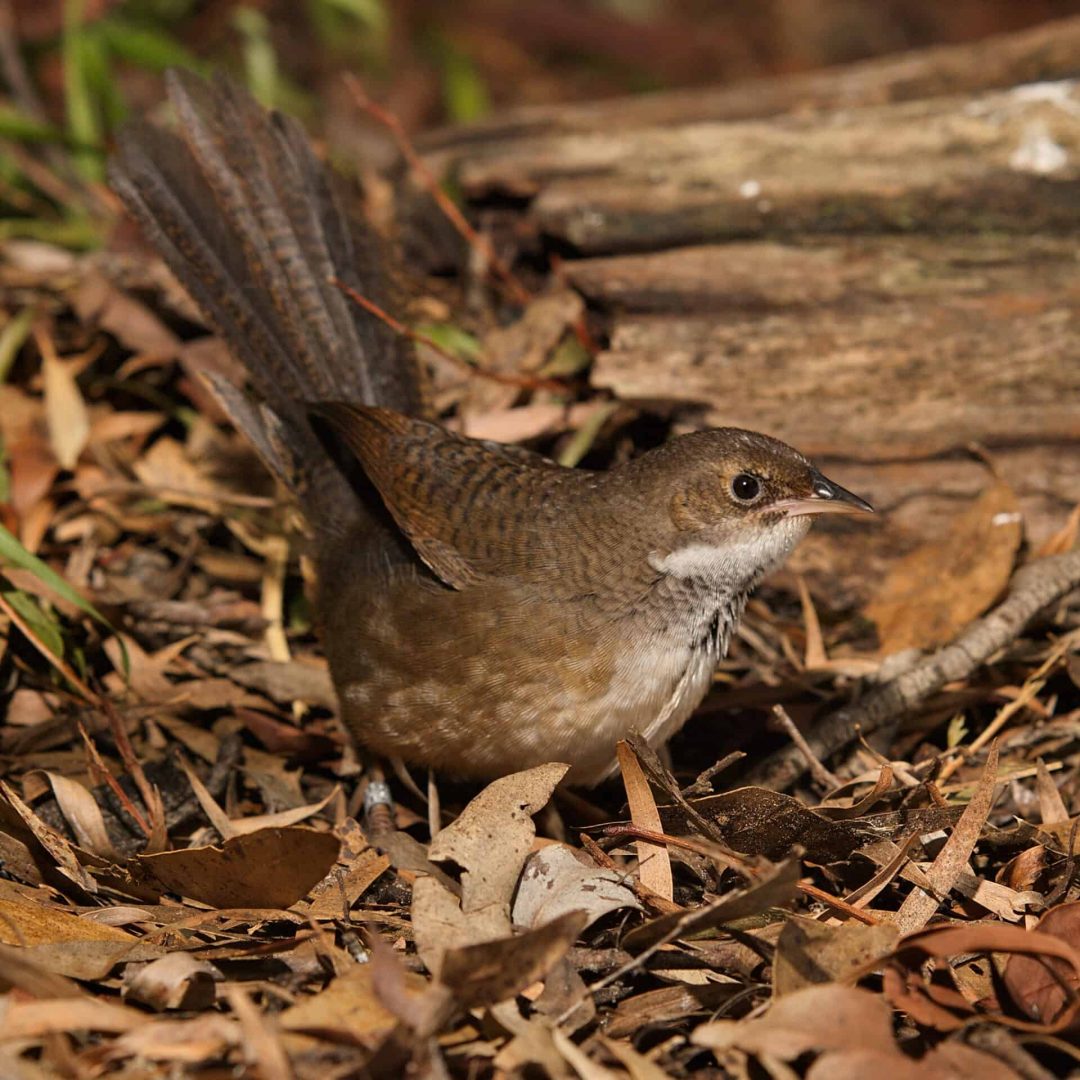
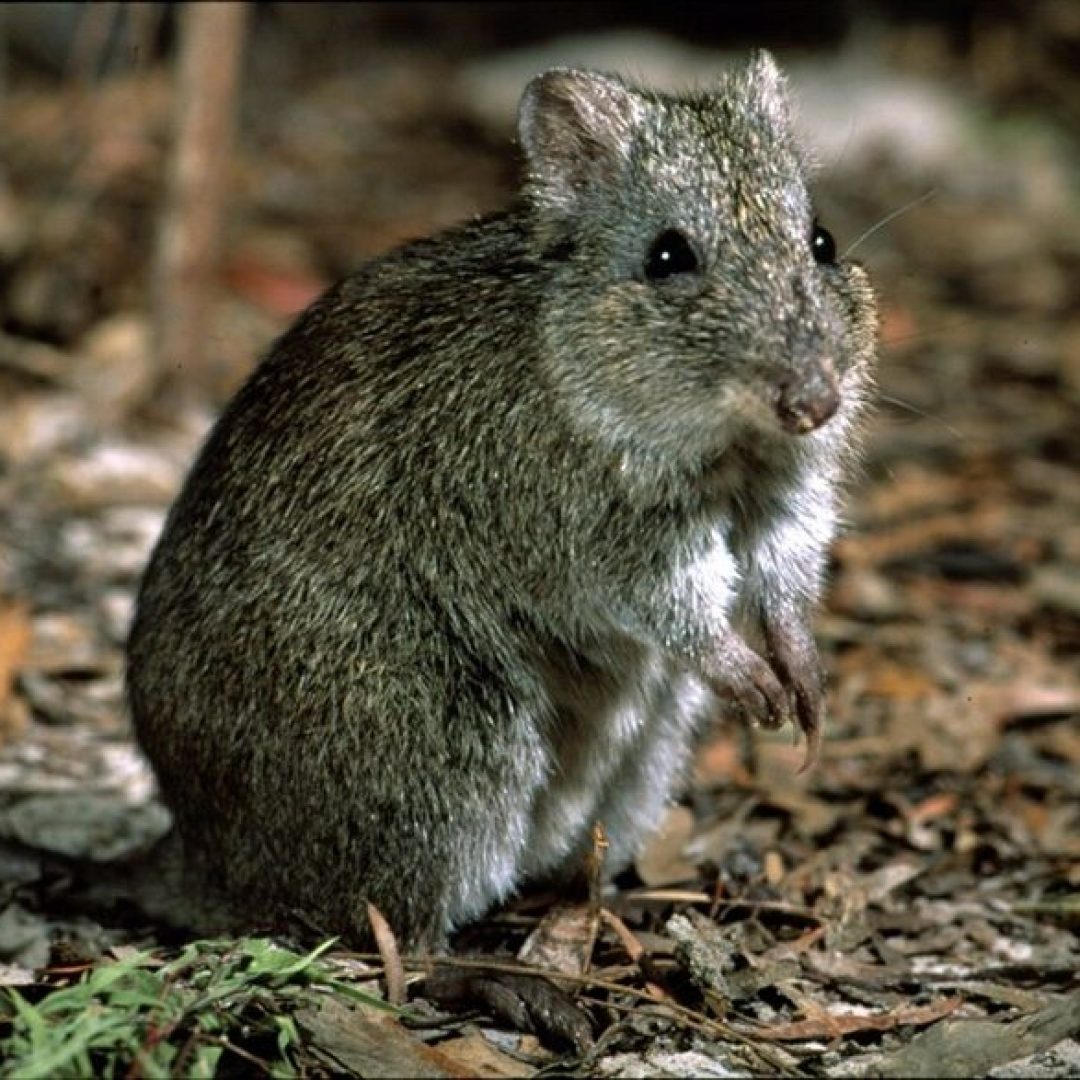
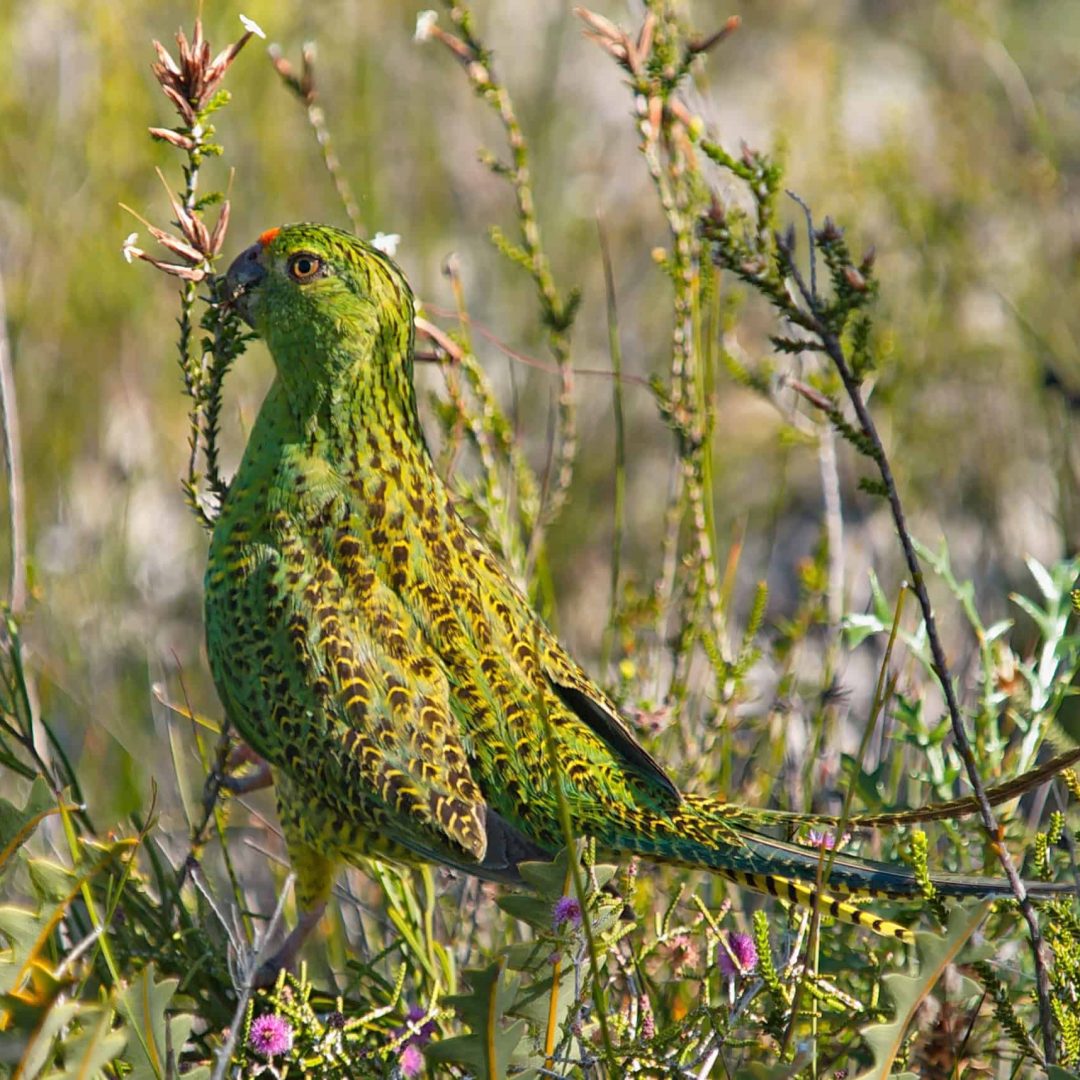
The Threatened Fauna project is a four-year initiative (2024 – 2028) dedicated to the recovery of three of the South Coast Region’s most unique and threatened species: the Ngilkat (Gilbert’s potoroo), Kyloriny (western ground parrot), and Djimaalap (noisy scrub-bird).
These species are found nowhere else in the world. Severely impacted by historical habitat loss, introduced predators, and inappropriate fire regimes, these iconic animals are currently reliant on conservation efforts for their survival, with only a few populations remaining. This project aims to provide essential support to assist in implementing the recovery plans for these species including by enhancing introduced predator control activities, supporting the implementation of translocations to establish new populations, monitoring the remaining populations and working with the broader community to raise awareness for these species. The project builds upon and supports important recovery and community engagement work being undertaken by members of the South Coast Threatened Birds and Gilbert’s Potoroo Recovery Teams.
Project Details
Some key activities of the project include supporting:
- Translocations of Ngilkat to maintain existing populations and create new populations
- Translocations of Djimaalap to assist in creating new populations
- Feral cat trapping at Two People’s Bay Nature Reserve, Waychinicup National Park/Mount Manypeaks Nature Reserve and Cape Arid National Park to enhance existing predator control activities
- Partial census counts of singing territorial Djimaalap males to inform ‘indexes’ of population size and the impact of recovery actions
- Use of Autonomous Recording Units to monitor calling activity of the Kyloriny population in Cape Arid National Park and the trends in the population as a result of management actions
- Cage trapping of Ngilkat to assess population abundance at key mainland and island populations and the impact of recovery actions
- Camera trapping to investigate introduced predator (feral cats and foxes) activity levels and the impact of predator control activities
- Structured Decision-Making Workshops to guide the recovery strategies for Ngilkat and Kyloriny over the next decade
- Community engagement events and communication activities to raise awareness for the threatened species and their habitats
What We Aim to Achieve:
In partnership with local conservation organisations and the South Coast Threatened Birds and Gilbert’s Potoroo Recovery Teams, this project builds upon and expands the existing Department of Biodiversity, Conservation and Attractions-lead recovery efforts to achieve the following:
- Increase the number of Ngilkat at mainland and island populations
- Increase the calling activity of Kyloriny in Cape Arid National Park
- Increase the population index of Djimaalap in key sub-areas of its distribution
- Maintain low activity of introduced predators (feral cats and foxes) at Two Peoples Bay Nature Reserve, Waychinicup National Park/Mount Manypeaks Nature Reserve, and Cape Arid National Park
- Improve knowledge and awareness of the threatened species and their conservation needs
Help us
Get involved with
Citizen Science
Interested in getting involved in threatened species recovery work?
- Check out the Friends of the Western Ground Parrot webpage: western-ground-parrot.org.au
- Check out the Gilbert’s Potoroo Action Group website: www.potoroo.org
- Contact Department of Biodiversity, Conservation and Attractions: albany@dbca.wa.gov.au
Contact us
Please contact Dr. Bronte Van Helden for more information about the project – brontev@southcoastnrm.com.au
Our project partners
The recovery of these highly threatened species depends on a collaborative effort guided by the South Coast Threatened Birds and Gilbert’s Potoroo Recovery Teams, and the expertise, support, efforts and funding from a wide range of organisations.
The Targeted Action for Highly Threatened Species in the South Coast Region project plays a key role in this collaborative effort, building upon and supporting the conservation work guided by Recovery Teams and community engagement work already undertaken by groups such as the Department of Biodiversity, Conservation and Attractions, Aboriginal Ranger groups, Gilbert’s Potoroo Action Group, Friends of the Western Ground Parrot, Birdlife Australia, and Albany Bird Group.
In particular, this project works closely with the Department of Biodiversity, Conservation and Attractions, the leaders of the project’s on-ground conservation efforts, as well as local community groups, to raise awareness and enhance the profile of these important species. This collaborative effort is critical to securing the future of these highly endangered species, alongside continued and further investment.
Funding acknowledgement: This exciting project is funded by the Australian Government Natural Heritage Trust and is delivered by South Coast NRM, a member of the Commonwealth Regional Delivery Partners panel along with a range of local partners.
