
Projects
PEAT Southwest
About the Project
Peatlands
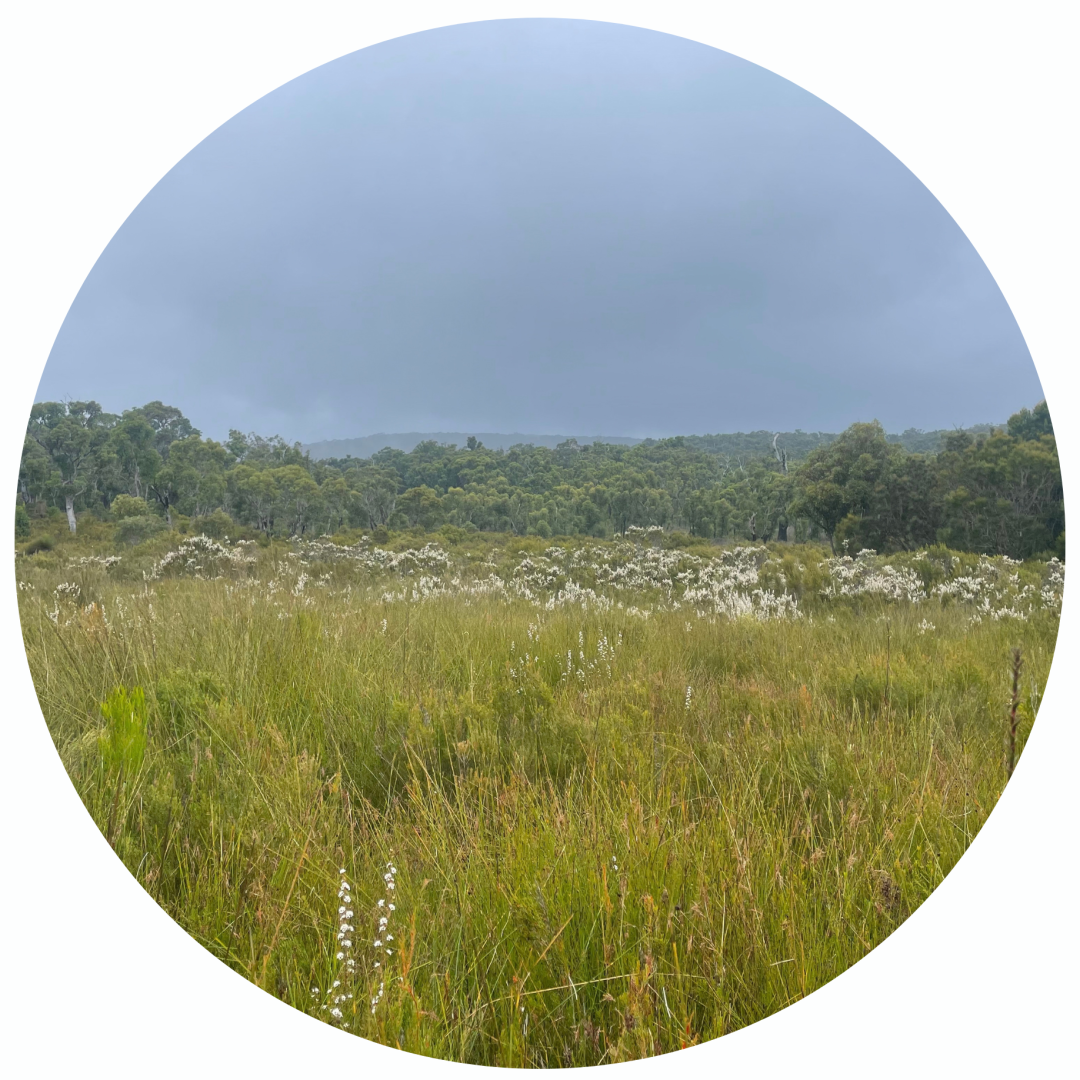
Peatlands are ancient wetlands that support unique plants, animals and ecological communities, while also playing an important role in storing carbon and regulating water.
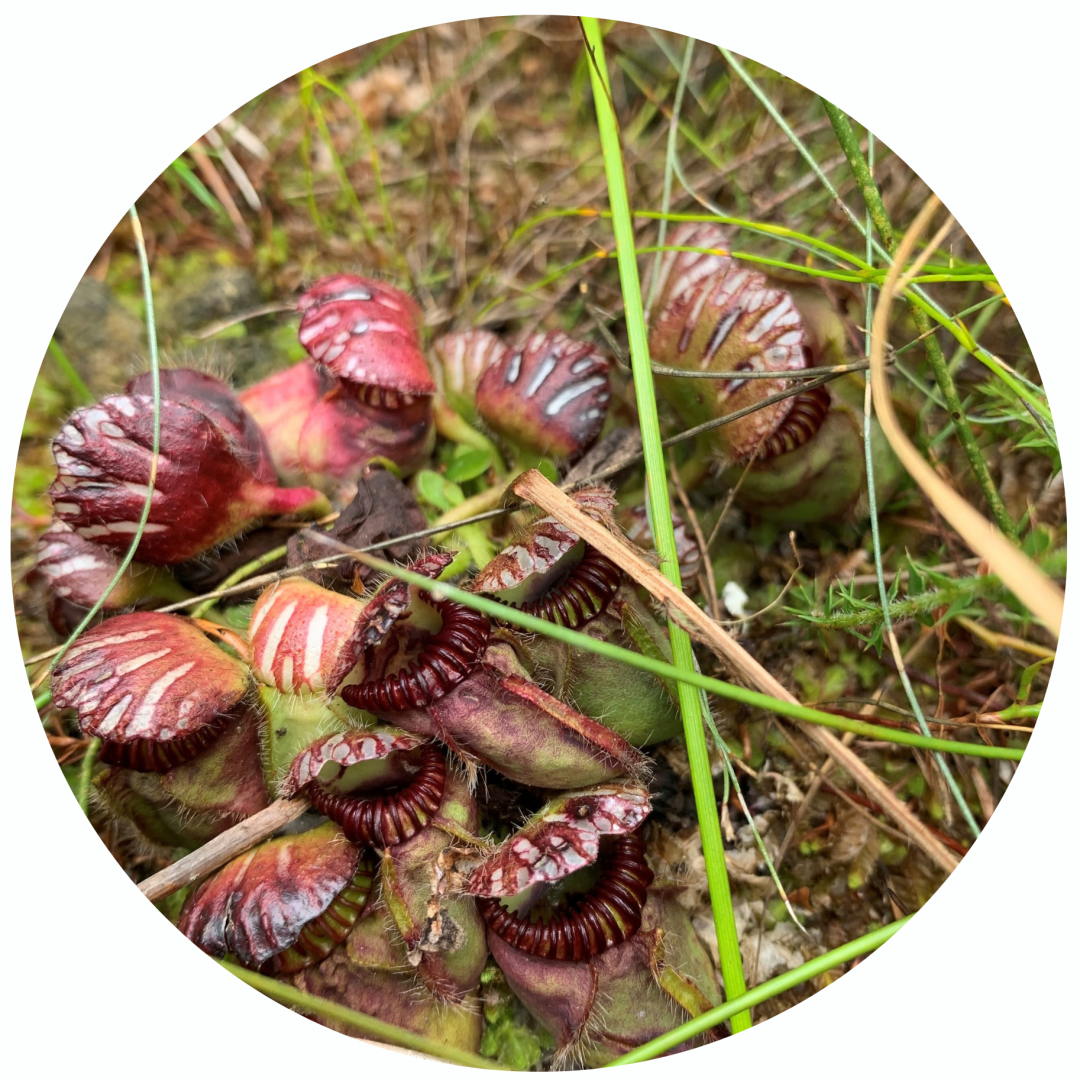
Across southwestern Australia, peatlands are often small, hidden within the landscape and poorly understood. Many have developed over thousands of years and provide habitat for species found nowhere else, including the Albany pitcher plant, sunset frog and other distinctive peatland flora and fauna.
The Empodisma peatlands of south-western Australia were listed as a Threatened Ecological Community under Australian environmental legislation in 2023. They are increasingly vulnerable to a drying climate, fire, changes to water regimes, invasive species and other land-use pressures.
About the project
Through the project we are:
Protecting Peatland Ecosystems and Addressing Threats in Southwestern Australia – is a five-year collaborative project working to improve our understanding, protection and management of peatlands across the South West and Great Southern regions of Western Australia.
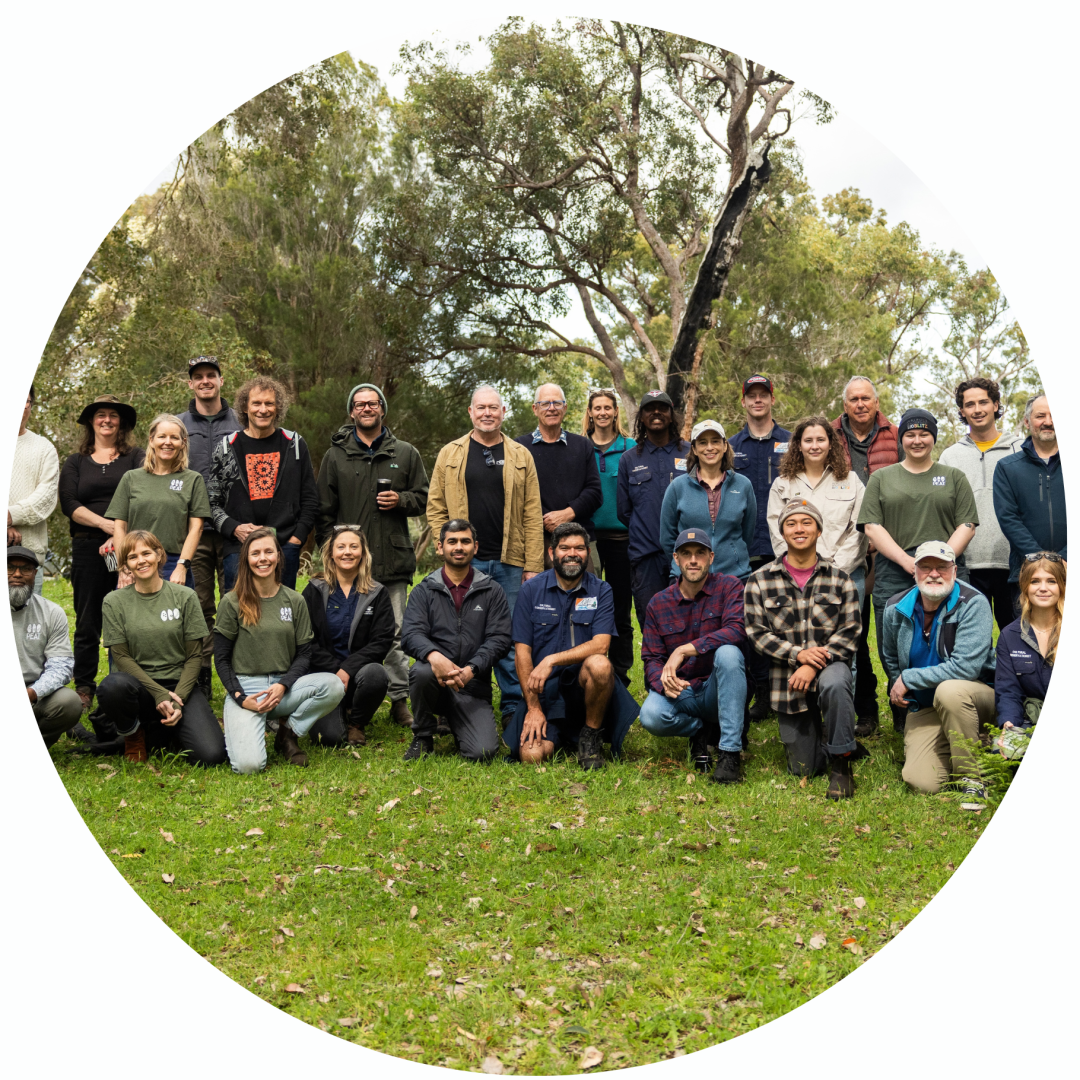
The project is co-led by The University of Western Australia and Edith Cowan University and guided by Noongar Elders. It brings together researchers, Traditional Owners, government agencies, natural resource management organisations, conservation groups and environmental specialists.
The project builds on earlier research in the Walpole Wilderness Area and is expanding this work across the broader distribution of peatlands in southwestern Australia. The aim is to connect research and local knowledge with practical management and on-ground action.
PEAT Southwest is supported by The Ian Potter Foundation and Lotterywest. The project is co-led by The University of Western Australia and Edith Cowan University, guided by
Noongar Elders, and delivered in collaboration with the Walpole-Nornalup National Parks Association, Undalup Association, the Western Australian Museum, Biologic Environmental, the Department of Biodiversity, Conservation and Attractions, South Coast NRM and South West NRM.
What we are doing
South Coast NRM is supporting the regional delivery of PEAT Southwest across the South Coast, working with catchment partners, landholders, Aboriginal ranger groups, researchers, government agencies and other partners.
Key areas of work include:
- Identifying and mapping peatlands – improving our understanding of where peatlands occur across the region and their characteristics, condition and ecological values.
- Assessing peatland condition and threats – working with researchers and local partners to better understand the pressures affecting peatlands, including drying, fire, feral animals, weeds and land-use impacts.
- Supporting practical management – translating research and field knowledge into management approaches and targeted on-ground actions to protect and restore peatland ecosystems.
- Building local capacity and awareness – working with landholders, Aboriginal ranger groups and the broader community to increase understanding of peatlands and support their long-term protection.
Through this work, South Coast NRM is helping connect the growing body of scientific knowledge about peatlands with practical conservation action on the ground.
The PEAT Project
Get involved with
Citizen Science
There are currently no Citizen science programs available at the moment.
Please get in touch with our project coordinator Emma at emma@southcoastnrm.com.au, if you are interested in being involved.
Awareness raising
Articles:
- For Peat’s Sake, written by Victoria Laurie and published in the September/October issue of Australian Geographic
- Working hard around the Walpole region for peat’s sake, Southerly Magazine August 2026
- Peatland protection the focus of major collaborative effort, Heartland Journeys August 2026
- Western Australia’s southwest peatlands: ancient wetlands, extraordinary wildlife and the science helping to protect them, UWA News, July 2026
- Lotterywest grant to expand SW peatland research collaboration, UWA News, July 2025
Contact us
Please contact Emma Sommerville for more information about the project – Emma@southcoastnrm.com.au
Our project partners
Who the project is funded by
- Lotterywest
- Ian Potter Foundation
Partner organisations involved
- Walpole Nornalup National Parks Association
- Undalup Association
- Department of Biodiversity, Conservation & Attractions
- Western Australian Museum
- Biologic Environmental
- South West NRM
We are also collaborating and working with:
- Wilson Inlet Catchment Committee
- Wagyl Kaip Southern Noongar Aboriginal Corporation
