
Projects
Future Ready South Coast
About the Project
About The Project
Future-Ready South Coast will support growers and land managers in the South Coast region as they navigate what are expected to be rapid changes in seasonal climate conditions. Primarily, this support is provided by facilitating grower and catchment groups to address challenges particular to their local region, through solutions that respond to changing climatic conditions.
At the regional scale, the project also supports growers to capitalize on the emerging opportunities presented by carbon and biodiversity markets.
Future-Ready South Coast is supported by the Australian Government through funding from the Natural Heritage Trust under the Climate-Smart Agriculture Program.
Project Details
Future-Ready South Coast has four key streams of work
- Know Your Number: Support farmers to establish their carbon profile and understand the drivers towards reducing emissions.
- Natural Capital: Train NRM professionals and trial farm-scale natural capital accounts.
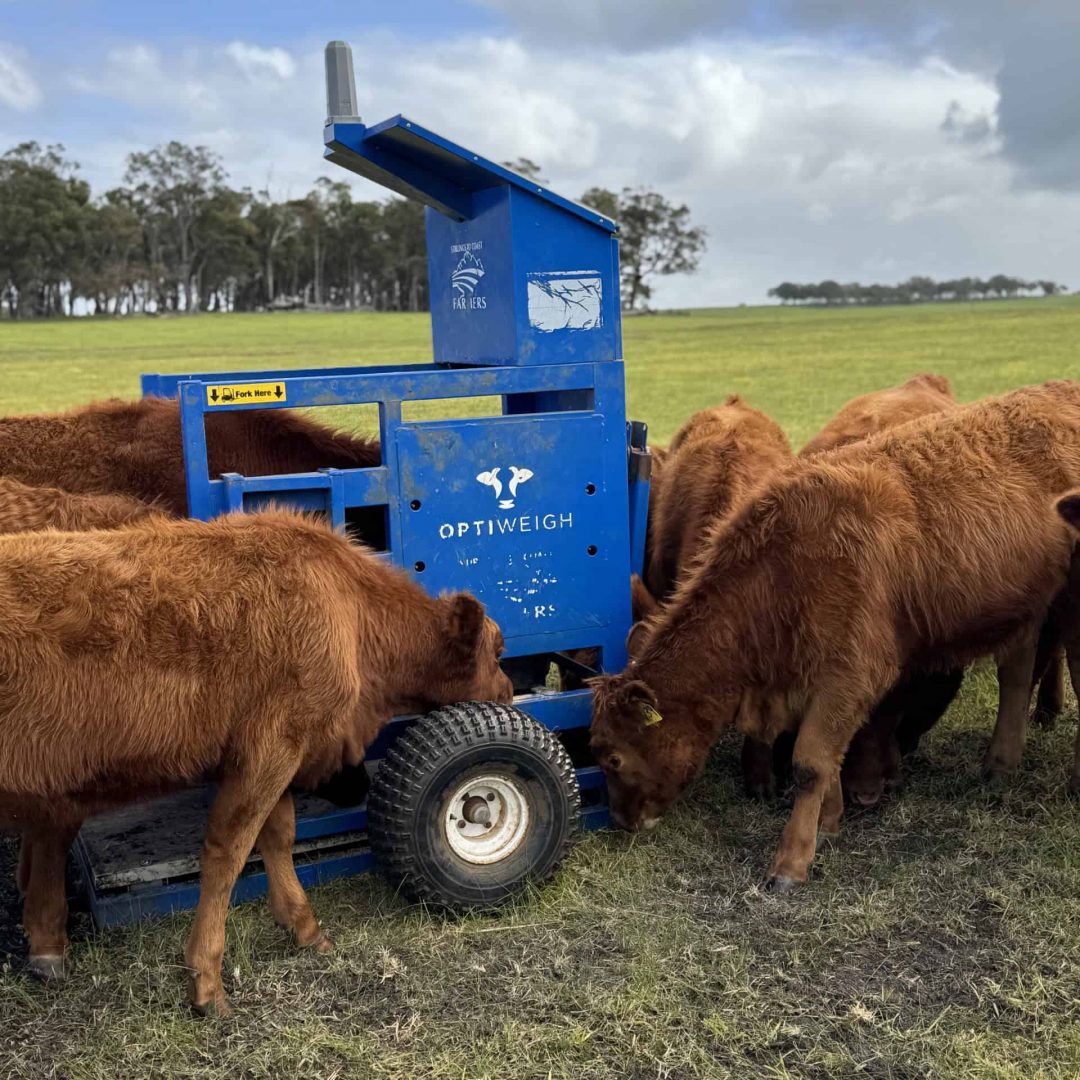
- On-ground Activation: Improve productivity and biodiversity with new pasture trials, water management, dam enhancement and habitat restoration.
- First Nations Engagement: Provide capacity for First Nations groups or individuals to engage in sustainable land management in South Coast agricultural landscapes.
On the ground, key activities supported by the project include
- Remediating saline-affected land in the Ravensthorpe region (examples of work include revegetation with salt-tolerant species, and gravelling trials on salt scalds)
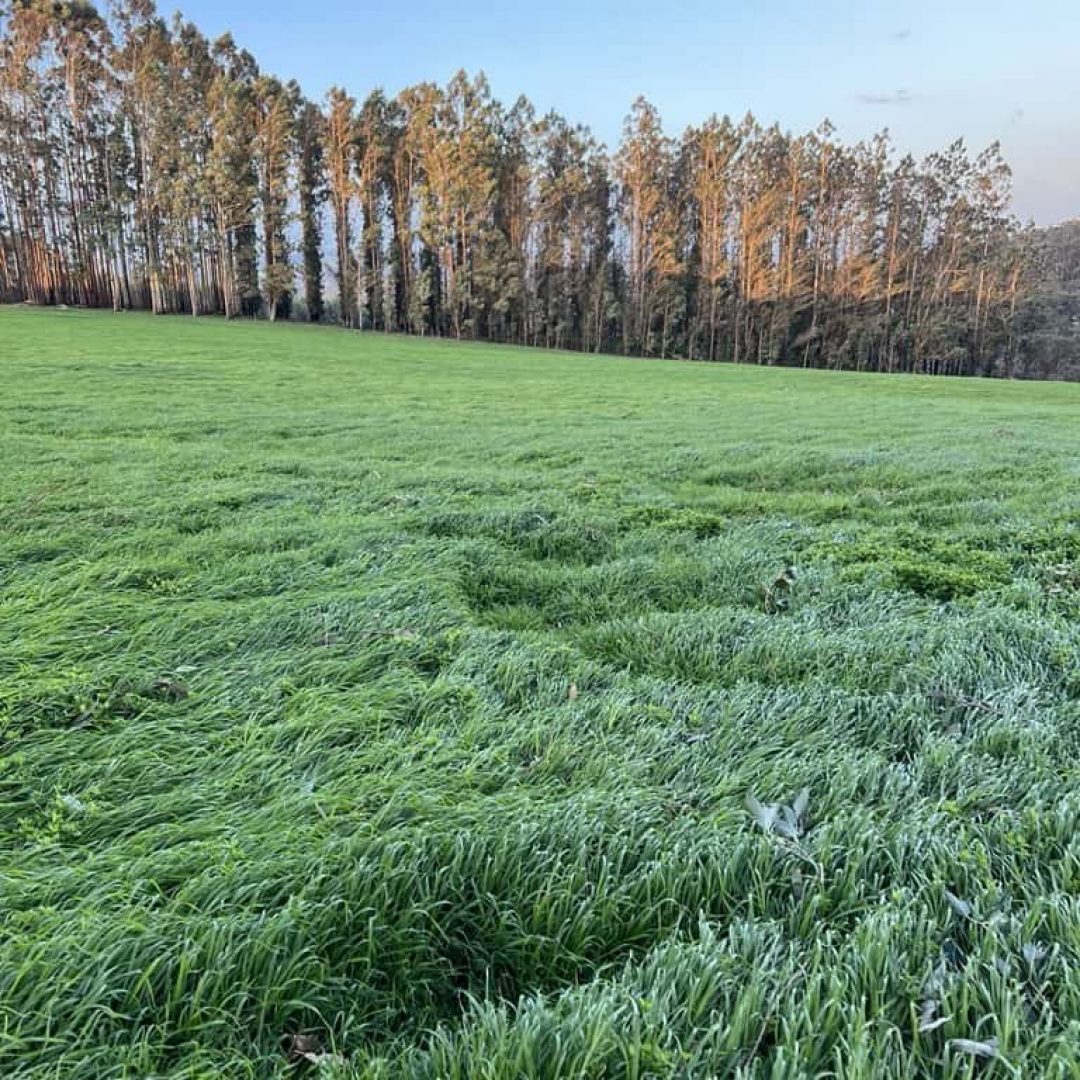
- Demonstrating how perennial pastures and different pasture mixes could improve seasonal resilience near Jerramungup
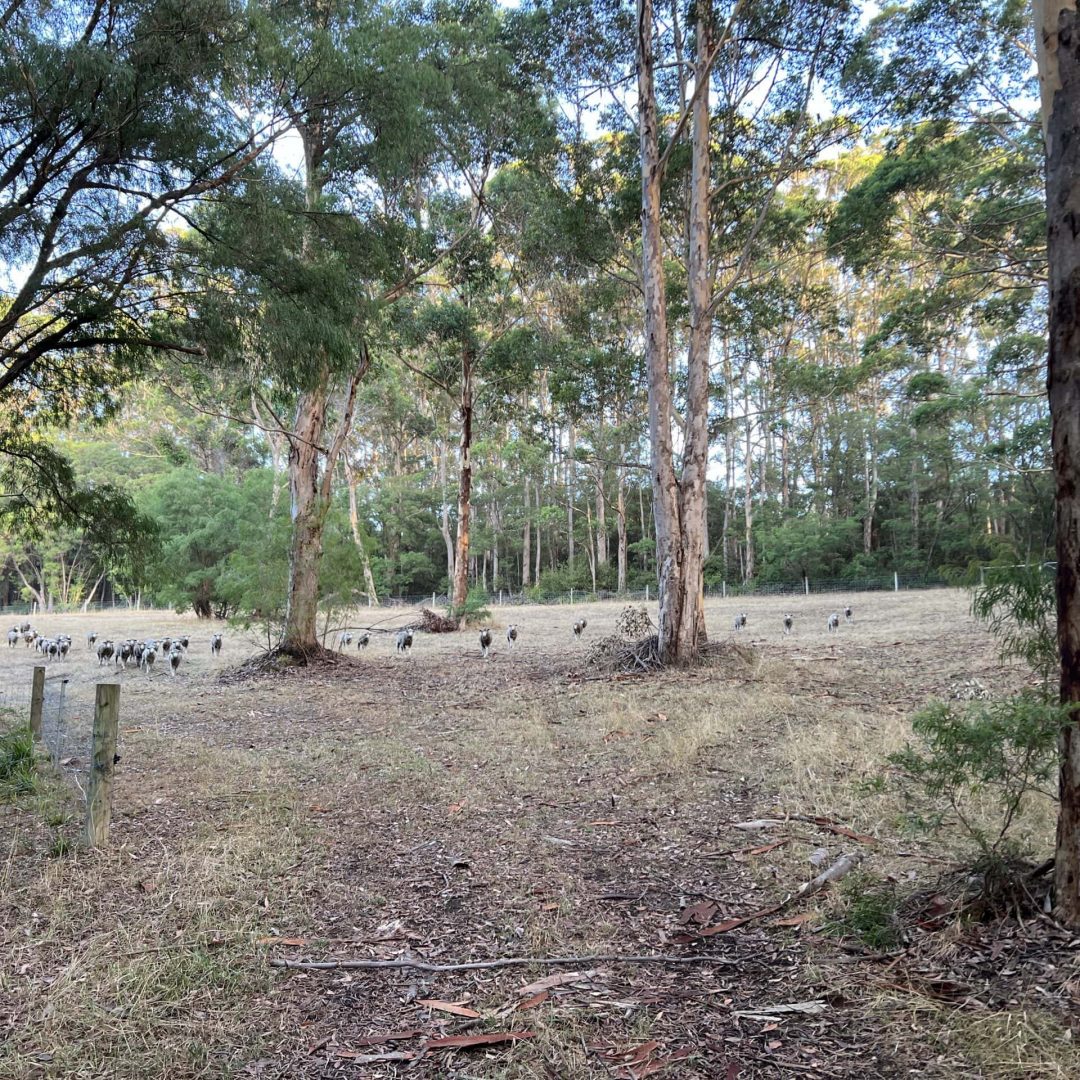
- Restoring and protecting natural assets (examples include fencing remnant vegetation to protect it from livestock, and revegetating riparian corridors)
- Enhancing farm dams for improved water quality and persistence
Help us
Get involved with
Citizen Science
Each of the community catchment groups in the South Coast region have a different focus for their work under the Future-Ready South Coast project.
Fitzgerald Biosphere Group (FBG) is undertaking pasture trials, fencing remnant vegetation and infill planting. For more information see https://www.fbg.org.au/current-projects-expanded/2025/4/10/climate-smart-agriculture
Oyster Harbour Catchment Group (OHCG) is undertaking farm dam enhancements and revegetation on two demonstration sites, as well as fencing significant remnant vegetation on farms. They are seeking expressions of interest from landholders who would like support to fence and revegetate a farm dam. See https://www.ohcg.org.au/eoi-dam-enhancement.html
Torbay Catchment Group (TCG) is working with local landholders to undertake revegetation, fencing to manage stock access to sensitive areas, management of water points for stock and installation of stock crossings to protect sensitive riparian areas. Expressions of interest are currently open: https://torbaycatchment.org.au/projects/future-ready-south-coast-climate-smart-agriculture/
Wilson Inlet Catchment Committee (WICC) is supporting landholders to fence off significant remnant vegetation on farms, which has benefits for biodiversity and farm management. Find out more and apply for a fencing subsidy here: https://www.wicc.org.au/climate-smart-agriculture.html
The Gillamii Centre is supporting landholders to improve soil health and to better understand the value of natural capital and biodiversity, with the goal of achieving more resilient production systems. Find out more about Gillamii’s work on their website here.
Awareness raising
In addition to the work being undertaken by partners in Future-Ready South Coast, South Coast NRM is coordinating workshops and working with farmers to raise awareness about the options available for accounting for natural resources and carbon on farm.
Know Your Number
Some parts of the agricultural supply chain and finance sector are beginning to report the emissions intensity associated with agricultural products. Emissions intensity refers to the amount of greenhouse gas emissions produced per kilogram of product (e.g. meat or wool).
For farmers, knowing this number can be really useful for business management because it is also a measure of production efficiency. For example, inefficient fertilizer application not only increases emissions, but also costs a business money.
As a farmer, even if your supply chain or bank isn’t asking you for these numbers, it’s worth getting started with a straightforward carbon account, or carbon profile. There are several tools available, and most of the figure required are collected as part of farm management anyway. Doing this yearly can give you a sense of how these efficiencies change over time. Get in touch with us if you’d like some advice or information on getting started with a carbon profile: ag@southcoastnrm.com.au
Natural Capital Accounting
Agricultural production depends on natural resources (part of “natural capital”) such as soil, water and biodiversity. These aspects of natural capital provide “services” such as pollination, pest control, nutrients, etc.
However, assets such as soil and water are not generally counted on the farm balance sheet, which means that the services these provide aren’t accounted for. In other words, the benefit these assets provide to the business (or the loss that occurs if an asset such as soil degrades) are not being accounted for.
The rule applies – you can’t manage what you can’t measure! Thus, natural capital accounting provides a way to measure the extent and condition of these natural assets, as well as the benefit they provide to the farm business.
Further resources
Contact us
Please contact Suzannah Macbeth for more information about the project – suzannahm@southcoastnrm.com.au
Our project partners
- ASHEEP & BEEF
- Fitzgerald Biosphere Group (FBG)
- North Stirlings Pallinup Natural Resources
- Oyster Harbour Catchment Group
- Ravensthorpe Agricultural Initiative Network (RAIN)
- Torbay Catchment Group
- The Gillamii Centre
- Wilson Inlet Catchment Committee
